
For German companies and the European economy as a whole, 2025 was a challenging year. The overall framework conditions were shaped by multiple pressures: a weak business climate, geopolitical tensions negatively affecting supply chains, and a regulatory environment in flux. This dynamic of change raises a central strategic question: how can companies remain competitive and resilient?
Some believe that less sustainability regulation, faster permitting procedures, and lower energy prices could significantly improve competitiveness. However, this is unlikely to be sufficient. Rolling back sustainability regulation could prove to be a boomerang, as unresolved environmental problems are already contributing measurably to rising economic damage. Faster approval processes without weakening participation rights and lower energy prices based on renewable energy sources are desirable, but on their own they will change little.
More important than improving framework conditions alone is for companies to undergo sustainable transformation in order to secure competitiveness and economic stability in uncertain times. In 2026, the direction and speed of innovation and transformation will be decisive.
Economic Situation in 2025: Stress Indicators and External Risks
Business Climate: Stagnation and Caution
The ifo Business Climate Index, one of the most important leading indicators of economic sentiment in Germany, remained at a low level throughout 2025 and showed little movement over extended periods. According to ifo data, the business climate stagnated over the course of the year; assessments of the current situation hardly changed, and expectations remained moderately optimistic. Overall, this pattern indicates that companies see no clear recovery or dynamic upswing. In November 2025, the index even declined slightly from 88.4 to 88.1 points. This suggests that the economic recovery remains fragile and that doubts persist about a near-term improvement.
External Pressures: Trade, Competition, and Supply Chains
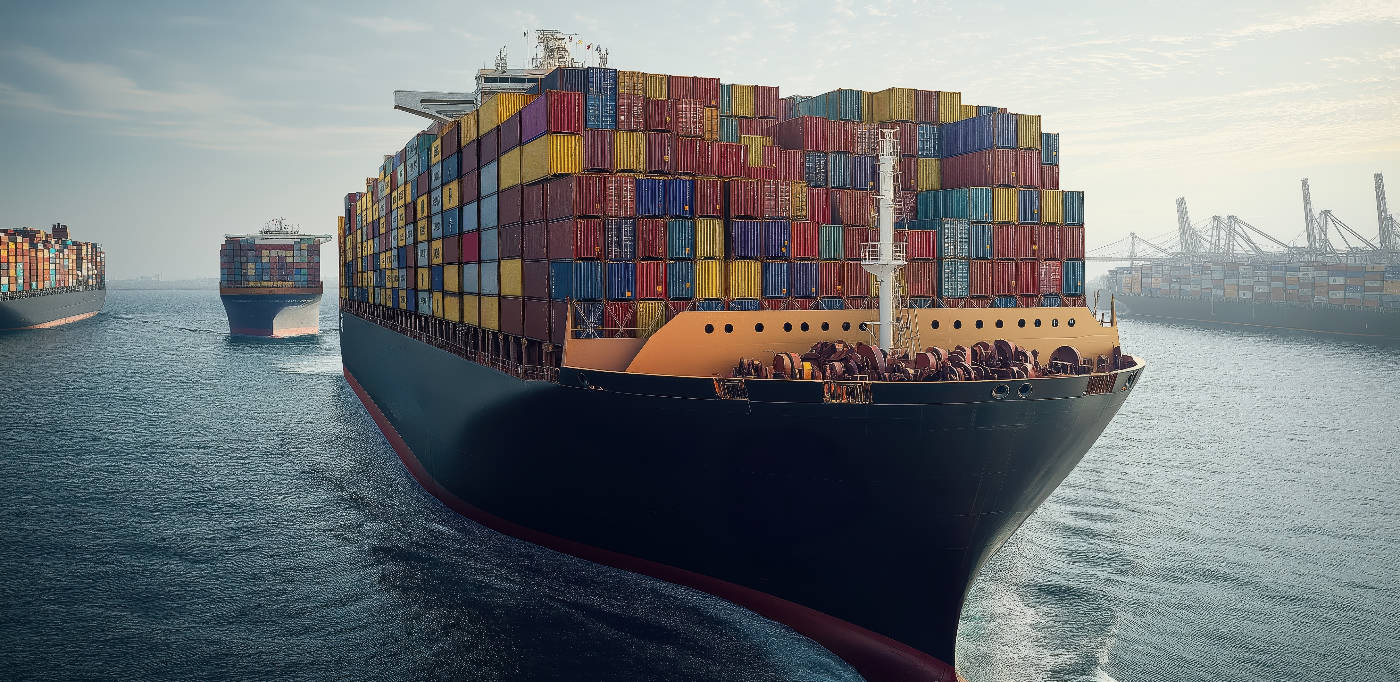
Beyond cyclical indicators, companies face direct external risks that strongly affect their production and supply chains.
Trade Conflicts and Protectionist Measures
Global trade tensions are also affecting EU industry. New agreements and tariffs are currently being negotiated between the EU and third countries, influencing export flows and competitive conditions. Under a framework agreement between the EU and the United States, tariffs are envisaged for many EU goods, which would weaken the price competitiveness of European exporters in key industries such as mechanical engineering and automotive manufacturing.
Competitive Pressure from China and Structural Dependencies
Global industrial value creation is highly fragmented. China, in particular, dominates supply chains for many critical raw materials and intermediate products. EU data show that the Union imports up to 100 percent of its heavy rare earth elements and nearly all strategic raw materials such as lithium and magnesium, with the majority originating from China.
According to ifo, shortages of semiconductor components and rare earths impaired German industrial production: in autumn 2025, around 10.4 percent of manufacturers of electronic and optical products reported material shortages, a significant increase compared to earlier months.
Regulatory Developments: Rollback, Adjustments, and Temporary Clarity
CSRD, Omnibus, and Sustainability Regulation
A key topic of discussion in 2025 was the further development of the Corporate Sustainability Reporting Directive (CSRD) and the Corporate Sustainability Due Diligence Directive (CSDDD) at EU level. Originally, the CSRD was intended to require significantly more companies to provide detailed sustainability reporting. This year, however, the EU introduced adjustments through its Omnibus packages, raising thresholds, reducing certain obligations, and postponing application timelines.
These changes are often interpreted as regulatory relief and welcomed by many companies because they reduce administrative burdens. However, this underestimates the fact that uncertainty regarding regulatory changes, particularly with respect to final wording and subsequent implementation into national law, poses a challenge for strategic planning and investment decisions within affected companies.
Implementation in Germany Still Pending
The transposition of the CSRD into German law continues to be delayed, and many of the requirements stipulated under EU law have not yet been fully implemented at national level. While this creates short-term flexibility, it also leads to planning-relevant uncertainty in the medium term for companies seeking to align their processes and systems sustainably.
Why These Developments Are Strategically Relevant
The regulatory rollback in the sustainability domain should not be viewed in isolation. For medium-sized companies and financial institutions, the current legal situation implies the following:
- Short-term relief may reduce operational pressure.
- Long-term orientation becomes less clear, as EU regulation remains in motion and is likely to become more binding again in the coming years.
- Investment decisions, supply-chain strategies, and risk management cannot remain indefinitely in a regulatory waiting mode. What is required instead is a strategic direction that reflects actual economic conditions and anticipates expected regulatory requirements where sensible.
In an environment in which trade conflicts, global competitive tensions, and supply-chain dependencies are gaining influence, a purely regulatory perspective limits entrepreneurial room for maneuver. Instead, companies should view sustainable transformation as a pathway to strengthening competitiveness and resilience.
What Will Be Strategically Important in 2026

1. Sustainable Transformation as a Competitiveness and Risk Strategy
Companies that view sustainability primarily as a regulatory issue risk overlooking important strategic levers. In 2026, sustainable transformation will instead become a key competitive factor influencing productivity, supply-chain resilience, innovation capability, and corporate value.
2. Prioritization Instead of Regulatory Dependence
Precisely because regulation is evolving, internal corporate priorities gain importance — particularly with regard to the following strategic questions:
- Which core processes and technologies should be transformed first?
- Where do the most significant strategic risks and opportunities lie?
- How can supply chains become more resilient to trade and raw-material risks?
A clear focus on these questions enables decision-making even in the absence of full regulatory clarity.
3. Cooperation in Strategic Value-Creation Networks
Sustainable transformation will not succeed in isolation. Instead, companies should cooperate along the value chain with suppliers, customers, technology partners, and financial institutions. This strengthens mutual innovation capacity and reduces transformation risks. Savings banks (Sparkassen) and other regional financial institutions, in particular, can add value by supporting and financing medium-sized companies — viewing transformation not merely as a cost or risk factor, but as an opportunity for growth and differentiation.
Conclusion: Sustainable Transformation as a Strategic Response
The year 2025 demonstrated that structural pressures and geopolitical risks cannot be resolved through regulatory adjustments alone. They require a clear strategic orientation from companies — one that goes beyond compliance and integrates medium- to long-term competitiveness and risk strategies.
Sustainable transformation thus becomes a core component of corporate resilience. Companies that pursue transformation in a targeted, strategic, and execution-oriented manner can preserve and enhance their competitiveness, innovative strength, and supply-chain stability in an uncertain global environment.
Next Steps
For decision-makers in the manufacturing-oriented mid-sized sector and their regional financial partners, 2026 is about defining a clear strategic course in an uncertain regulatory and competitive environment — and pursuing it with operational flexibility.
A structured view of strategic risks, value chains, and supply dependencies forms the basis for sound decisions in 2026. Building on this, companies must transform sustainably to become more resilient to regulatory and economic risks in an uncertain geopolitical environment.
If you would like to discuss how a robust transformation strategy for your company could look, please feel free to schedule a complimentary initial consultation.